Hi,
I'm a student at Ahuntsic College and next semester I'm going to be in my favourite technical program 'Radiology'.
Radiologists use images from many types of imaging examinations (X-rays, MRI, ultrasound, nuclear imaging, etc.).With these images, they recommend the next steps in your care, whether that be for more exams or for treatment.They then help the referring physicians select the best forms of treatment.
Here in my glossary, you can find more interesting information about the Radiology and you will know more vocabularies with all details.
For me, this is an interesting subject and I think it's going to be interesting for many of you to know more vocabularies about the Radiology program.
Take a look and learn more about it.
Biopsy
noun
An examination of tissue removed from a living body to discover the presence, cause, or extent of a disease.
Example: Various imaging techniques are commonly used including (Ellis et al, 2002): Rigid flexible sigmoidoscopy: Helps reveal tumours in the recto-sigmoid region and allows biopsy samples to be obtained for positive diagnosis.
fr: Biopsie
Bladder
noun
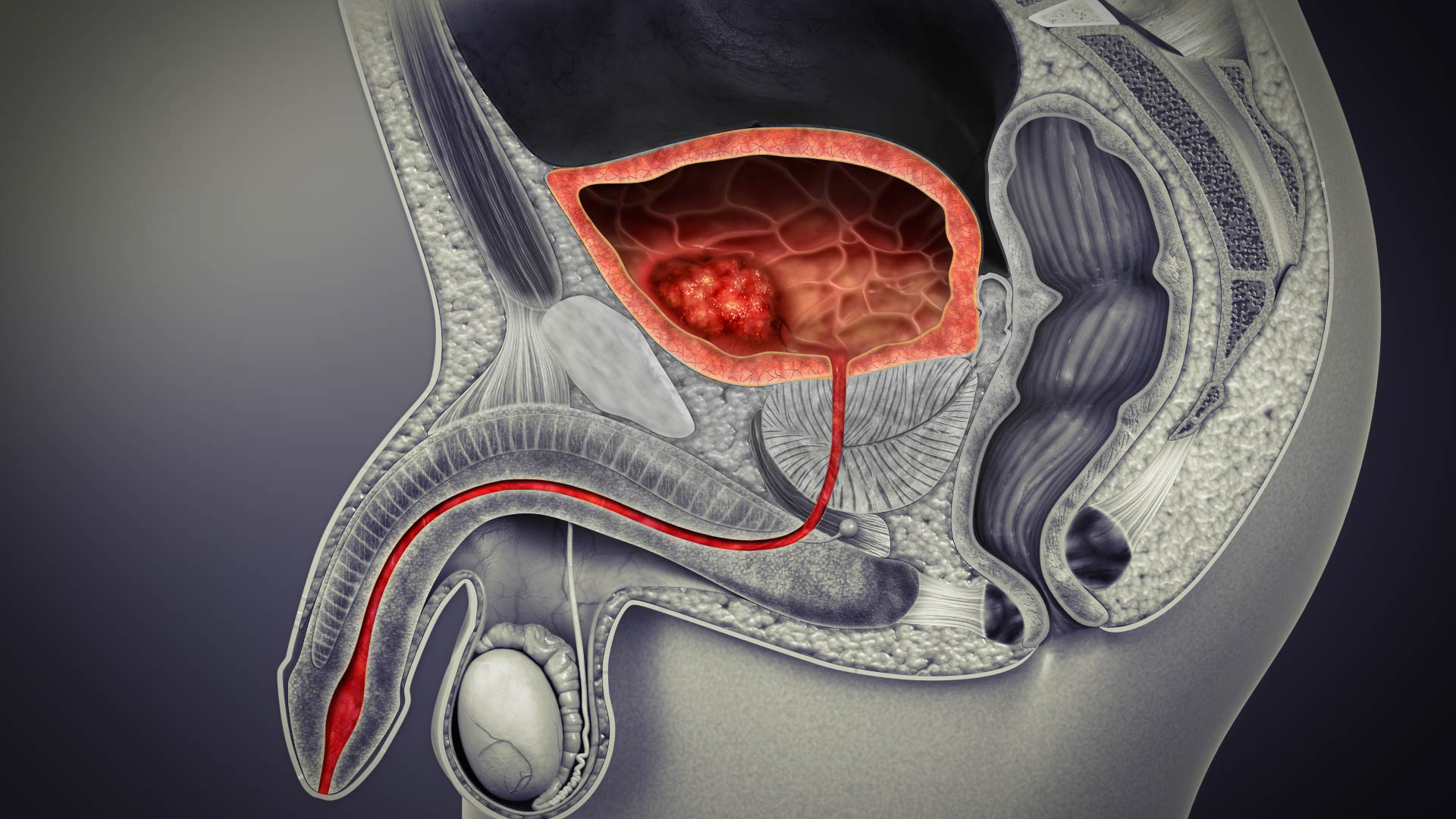
A membranous sac in humans and other animals, in which urine is collected for excretion.
Example: Mary wanted to know what was wrong, she feared it was cancer because she had bladder cancer 3 years previously.
fr: Vessie
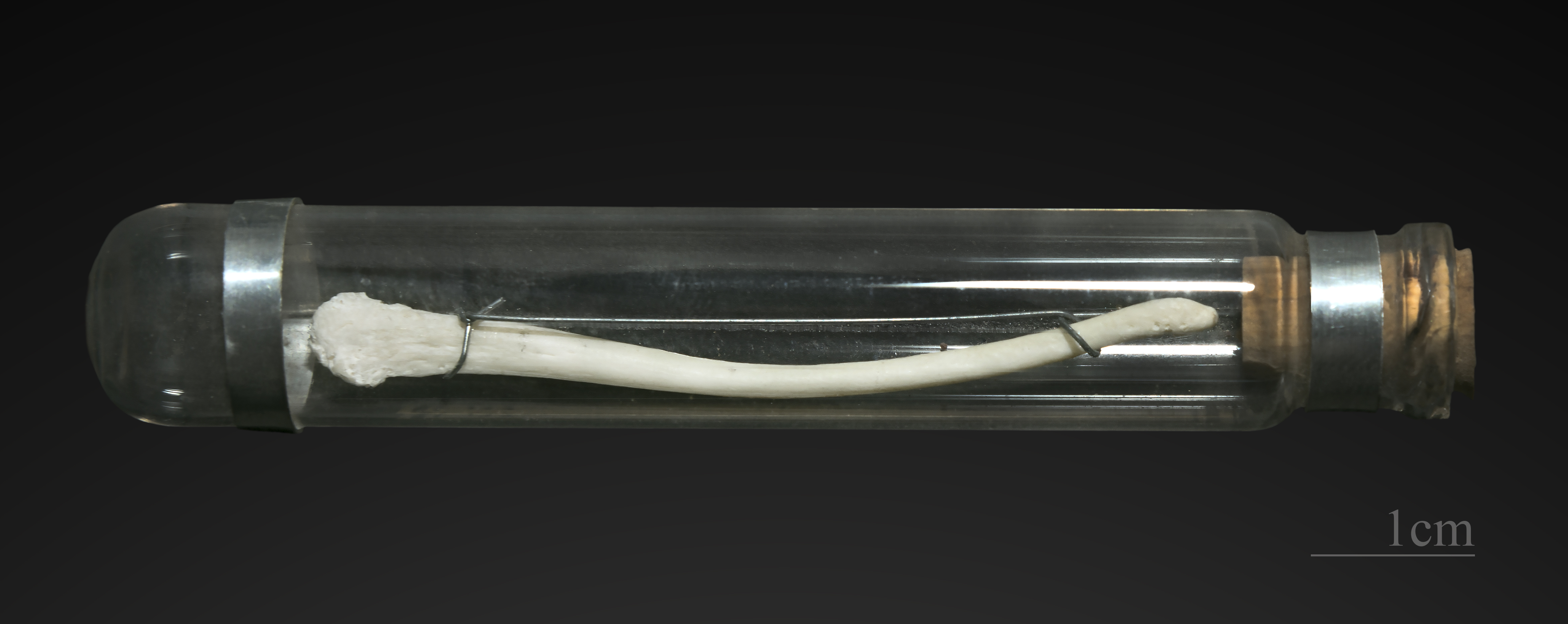
Bone
noun
Any of the pieces of hard whitish tissue making up the skeleton in humans and other vertebrates.
Example: In 1969 two satellites, called Vela 5A and Vela 5B, were launched into Earth orbit with γ-ray detectors intended to monitor atmospheric testing of nuclear weapons.[1]
Substances that emit γ-rays can be injected into the body to provide radioactive tracing of such functions as blood flow, liver and kidney organs, and bone developments.
fr: OS
Brain
noun
An organ of soft nervous tissue contained in the skull of vertebrates, functioning as the coordinating center of sensation and intellectual and nervous activity.
Example: The theory starts with one simple mechanism - the competition between memes to get into human brains and be passed on again - and from this it gives rise to explanation for such diverse phenomena as the evolution of the enormous human brain, the origins of language, human altruism, sex, religion, and even the evolution of the internet (Blackmore, 1999).
fr: Cerveau
Bruise
noun
An injury appearing as an area of discolored skin on the body, caused by a blow or impact rupturing underlying blood vessels.
fr: Bleue (feminine)
Bleu (masculine)
Cancellous bone
noun
Cancellous bone is the meshwork of spongy tissue (trabeculae) of mature adult bone typically found at the core of vertebral bones in the spine and the ends of the long bones (such as the femur or thigh bone).
Example: Moreover, bone consists of two different layers denoted as compact cortical bone and trabecular bone (also known as spongy cancellous bone)
fr: Os spongieux
Catheter
noun
A flexible tube inserted through a narrow opening into a body cavity, particularly the bladder, for removing fluid
Example: There was also removal of a corpus luteum cyst on the right ovary, which was then repaired. bled quite heavily during the operation and required 2 units of blood to be transfused because Hb was only 8.8g dL After the operation was given Anti-D treatment (1250IU), because she is blood group A negative. : The surgical drain and the catheter were removed and passed urine normally
fr: Cathéter
Colonoscopy
noun
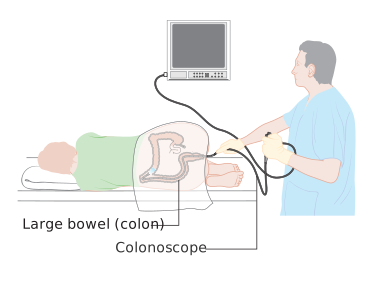
A procedure in which a flexible fiber-optic instrument is inserted through the anus in order to examine the colon.
Example: colonoscopy : Enables inspection of higher aspects of the colon and is currently the gold standard for investigating colorectal cancer as it also allows biopsies and polypectomies to be performed in order to obtain specimens for histological examination.
fr: Coloscopie
Compensating filter
noun
Compensating filter. In radiography, a filter that shields less dense areas to produce a more nearly uniform radiographic image.
fr: Filtre compensateur
Coronarography
noun
Coronary angiography is a procedure that uses contrast dye, usually containing iodine, and x ray pictures to detect blockages in the coronary arteries that are caused by plaque buildup. ... Cardiologists, or doctors who specialize in the heart, will perform coronary angiography in a hospital or specialized laboratory
fr: Coronarographie
Enema
noun
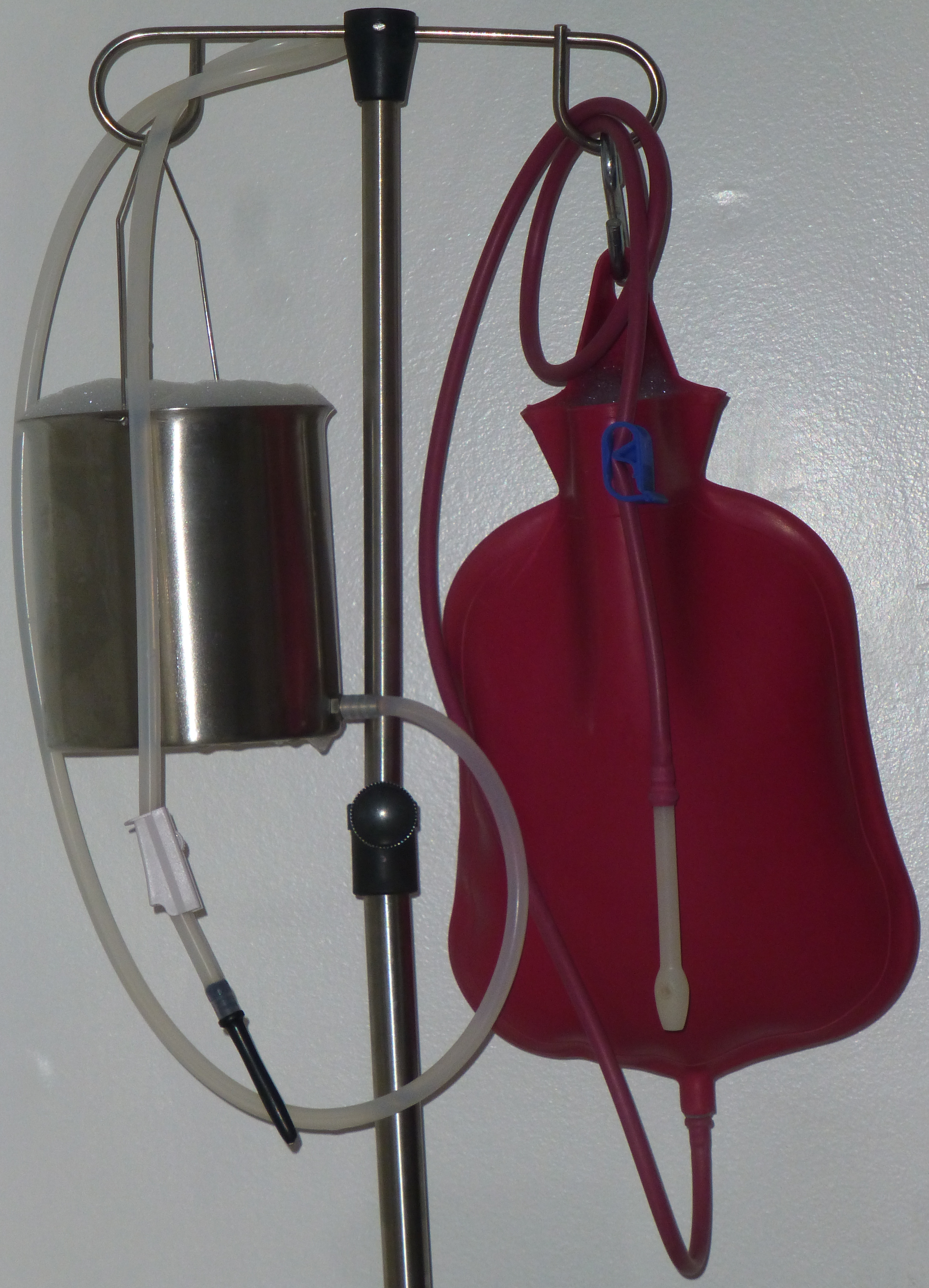
A procedure in which liquid or gas is injected into the rectum, typically to expel its contents, but also to introduce drugs or permit X-ray imaging.
Example: Double contrast barium enema : Usually reveals the growth as either a stricture or a filling defect (apple-core deformity).
However, it is important to remember that a negative barium enema doesn't definitely exclude the presence of a small tumour, particularly in the presence of extensive diverticulosis.
fr: Lavement
Examination table
noun
A table in a doctor's office on which a patient lies to be examined
fr: Table d'examen
Fluoroscopy
noun
Fluoroscopy is an imaging technique that uses X-rays to obtain real-time moving images of the interior of an object
fr: Fluoroscopie
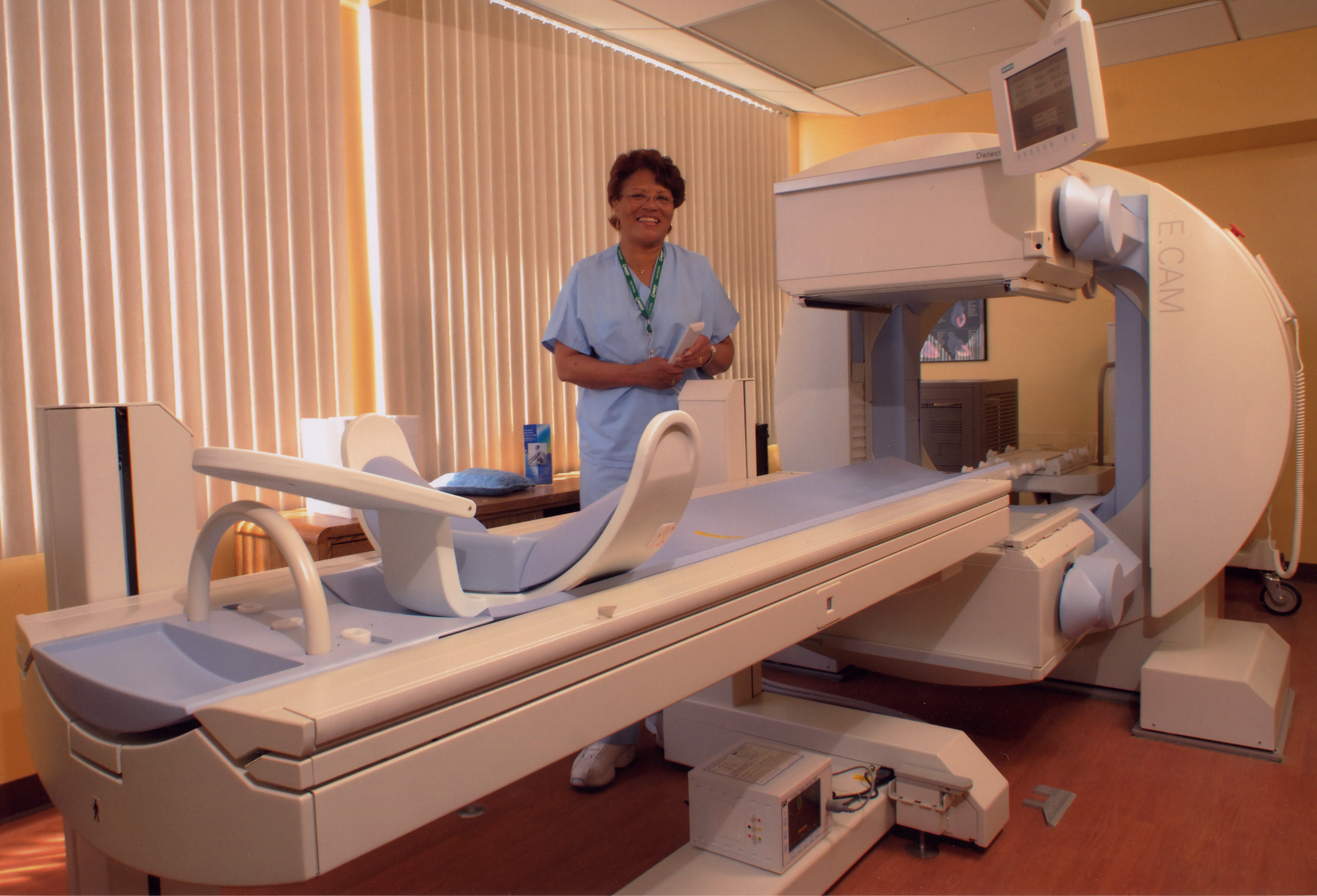
Gamma camera
noun
A gamma camera, also called a scintillation camera or Anger camera, is a device used to image gamma radiation emitting radioisotopes, a technique known as scintigraphy.
fr: Caméra gamma
Inject
noun
drive or force (a liquid, especially a drug or vaccine) into a person or animal's body with a syringe or similar device.
Example: If these methods fail, the next step is to inject steroid into the joint.
fr: Injecter
Kidney
noun
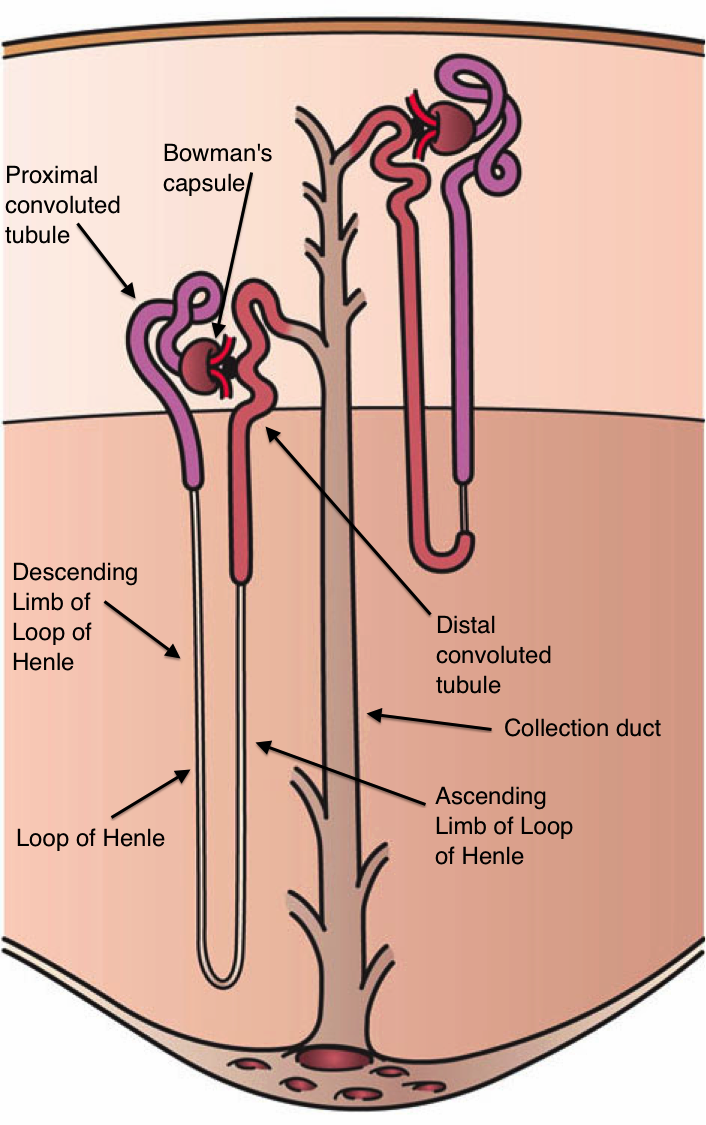
One of a pair of organs located in the right and left side of the abdomen. The kidneys remove waste products from the blood and produce urine. As blood flows through the kidneys, the kidneys filter waste products, chemicals, and unneeded water from the blood. Urine collects in the middle of each kidney, in an area called the renal pelvis. It then drains from the kidney through a long tube, the ureter, to the bladder, where it is stored until elimination. The kidneys also make substances that help control blood pressure and regulate the formation of red blood cells.
Example: kidney failure is incredibly debilitating, the only treatments being transplant or daily dialysis treatment, without which the patient will die.
fr: Un rein
Liver
noun
a large lobed glandular organ in the abdomen of vertebrates, involved in many metabolic processes.
Example: This is mostly seen within the liver as it has the largest capacity for the production and secretion of cholesterol into the blood (Masters unknown, Brown et al 1985, Tulenko et al 2002, Brody et al 1998, Stancu and Sima 2001, Myerson, Ngai, Jones et al 2005, Maron et al 2000, Olsson, Pears, McKellar et al 2001).
fr: Foie
Malignant
noun
very virulent or infectious.
Example: During the camera test we took a piece of the mass for further examination and the results have shown that it is malignant.
fr: Maligne (feminine), Malin(masculine)
Pathology
noun
the science of the causes and effects of diseases, especially the branch of medicine that deals with the laboratory examination of samples of body tissue for diagnostic or forensic purposes.
Example: pathology: Implantation of the conceptus in the tube results in hormonal changes that mimic normal pregnancy.
fr: Pathologie
Radiation
noun
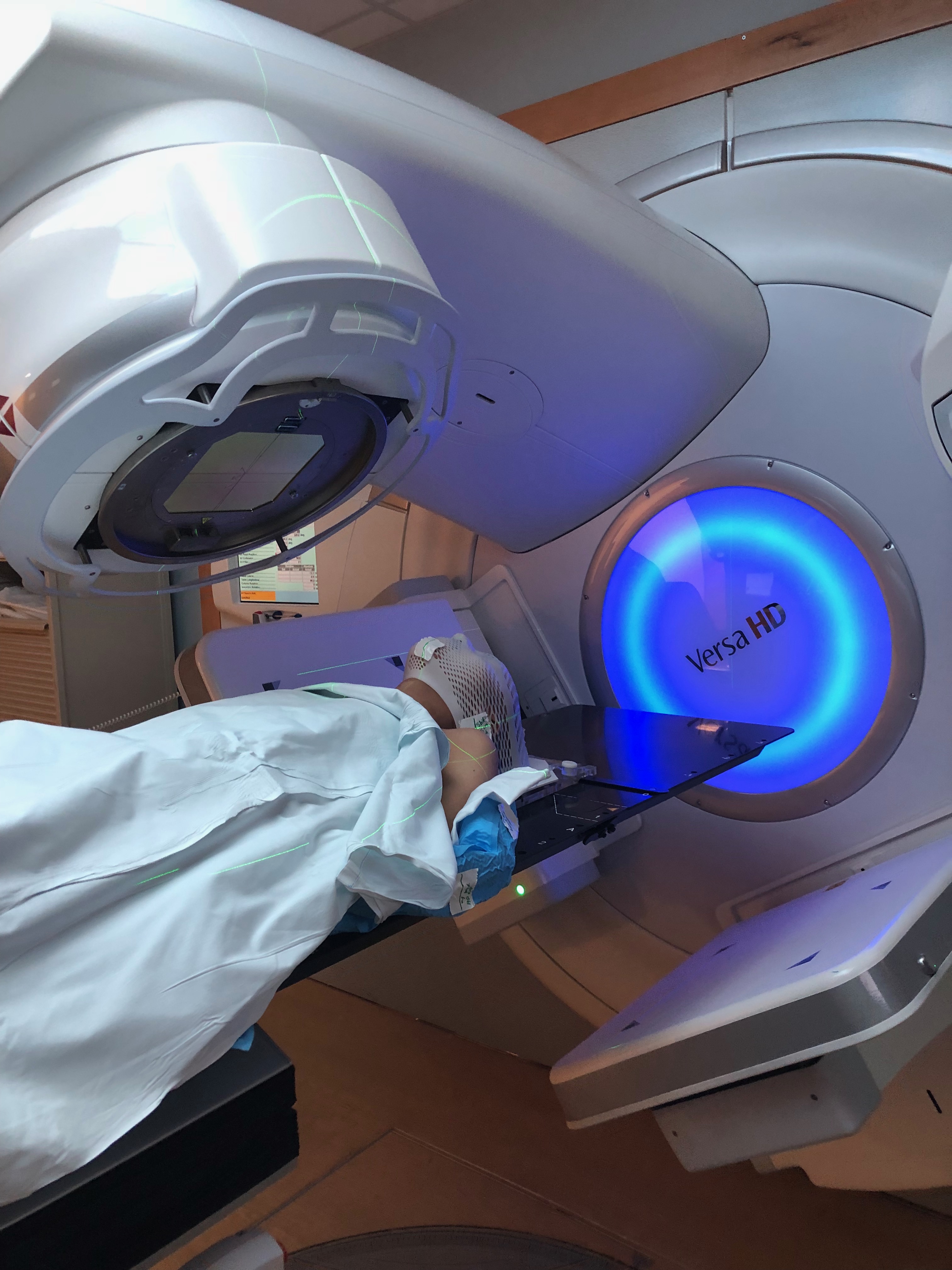
the emission of energy as electromagnetic waves or as moving subatomic particles, especially high-energy particles which cause ionization.
Example: In comparison, a therapeutic radiographer must have the skill to be able to administer accurate doses of radiation to a tumour, whilst minimising the dose received by the surrounding tissues.